Table of contents
From skydiving over deserts to canyon swings above rivers, adventure tourism is no longer a niche, it is a global habit that keeps gaining altitude. The UN World Tourism Organization has repeatedly highlighted how “experiential travel” continues to reshape demand, while operators from New Zealand to the Gulf report that thrill-based products sell out earlier than classic sightseeing. Why do so many travelers come home with bruises, GoPro footage and the same sentence on their lips: “I’d do it again”? The answer sits somewhere between brain chemistry, social status and a hunger for stories.
Adrenaline sells because it rewires memory
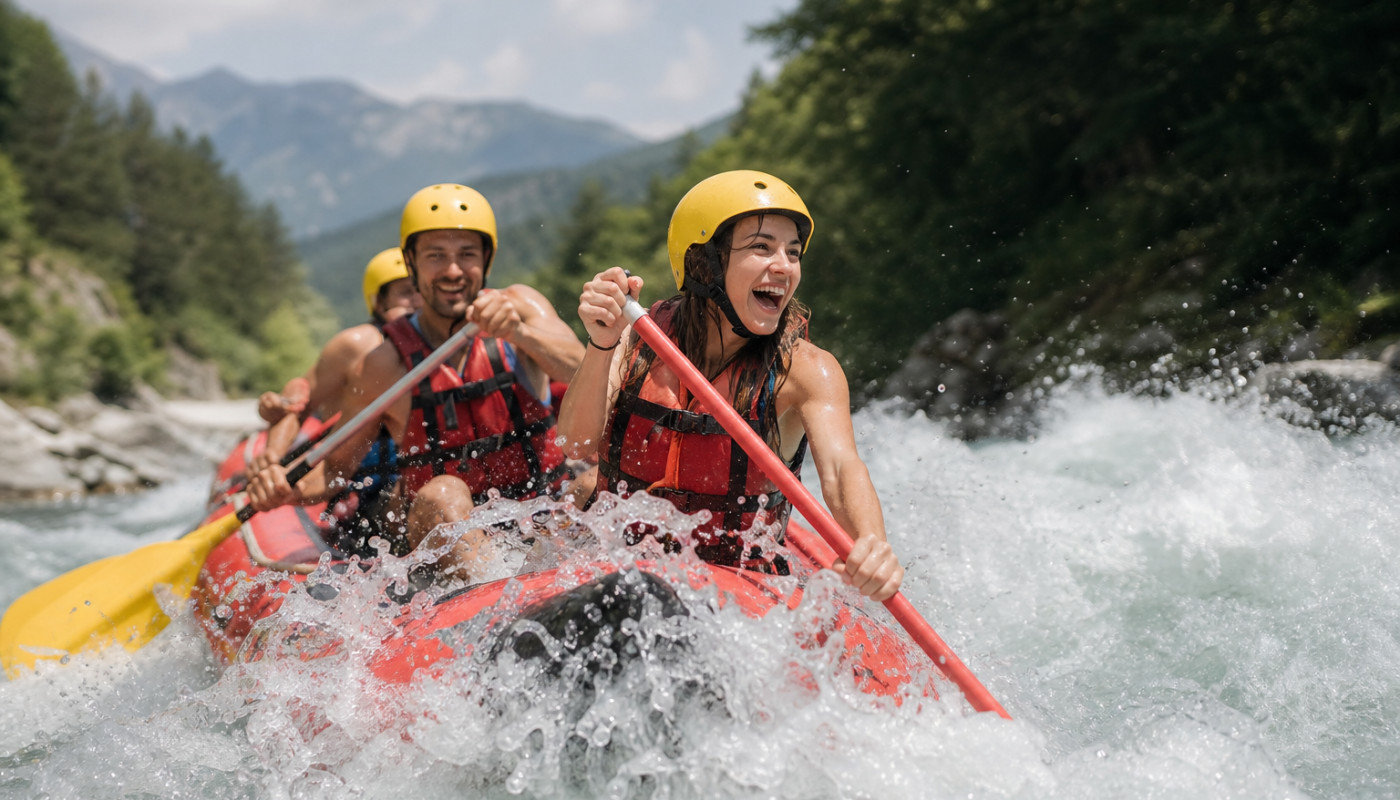
Ask an adventure traveler what they remember most from a trip and the reply is rarely “the hotel lobby.” It is the moment the raft tipped, the second before the bungee cord caught, the silence at the peak, and this is not just poetic language. Neuroscience has long shown that high-arousal events are encoded differently: adrenaline and noradrenaline, released during stress and excitement, help the brain consolidate memory, and emotionally charged episodes tend to be recalled with more intensity than neutral ones. Researchers have described this as “memory modulation,” a process by which the body’s response to arousal strengthens what the mind keeps, which is why a 40-second plunge can outshine a week of routine comfort.
The tourism industry has understood that biology can become a product. Global figures suggest the market is not small: multiple industry analyses in recent years have valued the adventure tourism sector in the hundreds of billions of dollars, with forecasts often projecting strong annual growth through the end of the decade, driven by younger demographics and the wider availability of guided activities. Yet the key commercial insight is not only that people want danger, it is that most people want managed danger. Certifications, safety briefings, harness checks and trained guides are part of the experience because they allow travelers to flirt with risk without fully paying its price, and that controlled edge is precisely where the memory imprint becomes a souvenir that cannot be bought in a gift shop.
Risk feels different when it’s curated
There is a reason the fastest-growing activities are rarely the most extreme. Zip lines, via ferrata routes, scuba introductions and urban climbing gyms have expanded because they offer a clear narrative of bravery, while staying accessible to people who would never call themselves athletes. In many destinations, regulators and insurers have pushed operators toward standardized protocols, and travelers have become more selective as online reviews punish sloppy practices. After several well-publicized accidents across different countries over the last decade, the demand for visible safety has hardened: helmets must look new, guides must look trained, and the rules must be explained like a contract.
This is where modern adventure tourism differs from the romantic image of explorers improvising with a rope. The most successful operators are, in effect, risk managers who sell confidence as much as thrills, and they do it with logistics that resemble aviation more than backpacking. Capacity limits, weather monitoring, equipment redundancy and strict “no-go” decisions are part of the package, even if they frustrate customers in the moment. Travelers may complain when a jump is canceled, but the same travelers also want to believe they are in professional hands, especially as prices rise. In many countries, a single premium activity now costs what a short domestic flight used to cost, and consumers increasingly treat these bookings like investments: they expect transparency on what is included, what is refundable, and what happens if conditions change.
Social media turned thrills into status
The adventure boom is also cultural, and its fuel is visibility. A generation raised on short-form video does not only travel to see; it travels to capture, edit and share. In that ecosystem, the spectacular moment is currency, and the algorithm rewards altitude, speed, water, fire and fear. A sunrise hike is nice, but a sunrise hike on a knife-edge ridge with a drone shot is better, and that distinction shapes how destinations market themselves. Tourism boards that once led with museums and architecture now place cliff walks, desert rides and mountain trails at the front of campaigns because those images travel faster than brochures ever did.
This does not mean travelers are shallow; it means the social meaning of travel has changed. Sociologists have long discussed how experiences can function as “social capital,” and adventure fits the logic perfectly because it signals youth, courage and a certain disposable income. Even among friends, there is an unspoken leaderboard: who did the hardest trek, who tried the strangest sport, who has the most “unrepeatable” clip. The result is an escalating search for novelty, and not necessarily for danger. Travelers chase uniqueness because it differentiates them in a crowded feed, and that uniqueness can be found in unexpected places, including cities better known for industry than for postcards. For those building an itinerary around rare activities in southern China, resources like https://www.shenzhen-trip.com/ can help map out what is actually possible on the ground, beyond the clichés, and that practicality matters when the goal is to do something you cannot easily replicate at home.
How to book smarter, spend less, stay safe
Adventure travel is seductive, and it can also be expensive, especially when gear, transport and insurance are added to the headline price. The first rule for keeping budgets under control is to separate “must-do” thrills from “nice-to-have” extras, then build the trip around what truly matters. Booking earlier often unlocks better time slots and occasional discounts, but flexibility is a bargaining chip too, because operators are more likely to cut prices for off-peak weekdays and shoulder seasons. Travelers should also watch for bundled offers that include photos, transfers or equipment, because paying for these separately can quietly add 20% to 40% to a day’s cost, depending on the destination and the operator’s pricing model.
Safety, meanwhile, is not a vibe; it is a checklist. A serious operator should be able to explain guide qualifications, emergency procedures and weather rules without getting defensive, and customers should read recent reviews for patterns rather than isolated complaints. Insurance deserves a line-item in planning, not an afterthought: many basic travel policies exclude “hazardous activities,” and medical evacuation can become financially brutal in remote areas. Finally, travelers should be honest about fitness and health conditions, because altitude, heat and water stress turn minor issues into real emergencies. The best souvenir is still a story, but the smart traveler makes sure the story does not end in a hospital bill, and that the only thing broken is a personal record.
The takeaway before you hit “book”
Chasing adrenaline is not irrational; it is a way to collect memories that stick, and modern operators have made those peaks accessible to more people than ever. Set a clear budget, check what insurance actually covers, and reserve early for limited-capacity activities. The best trips feel wild, and run professionally.
Similar articles

How Sustainable Practices Are Transforming A Hotel In Paris
Exploring The Benefits Of Skippered Vs. Bareboat Catamaran Charters

Exploring The Benefits Of Luxury Camping With Wellness Focus
